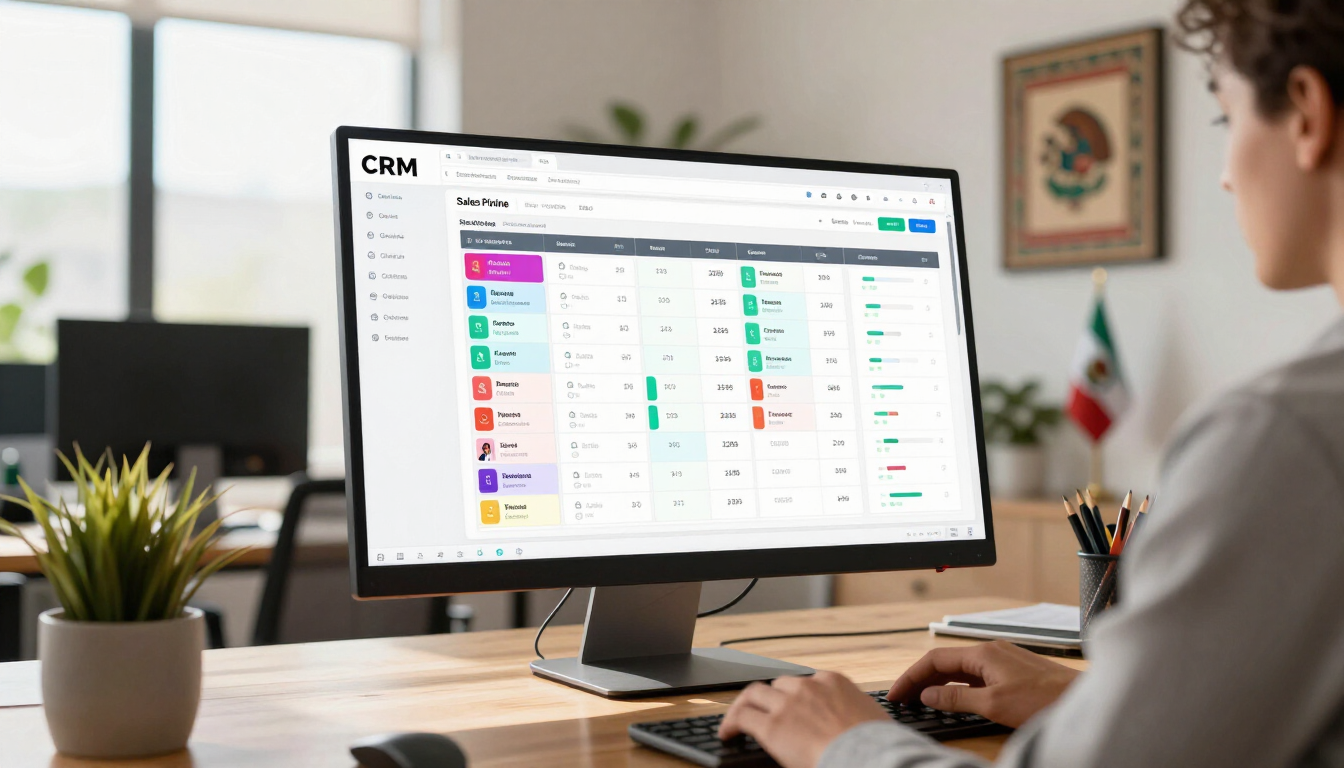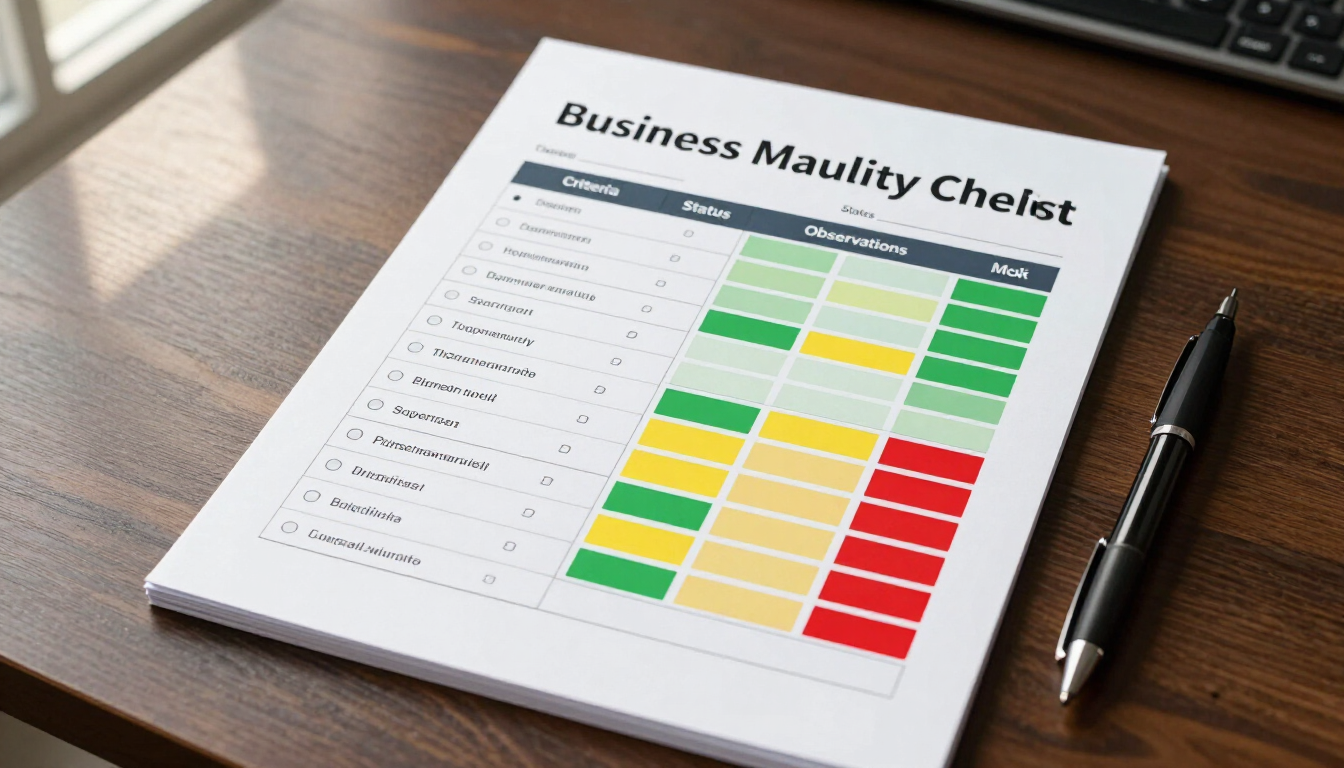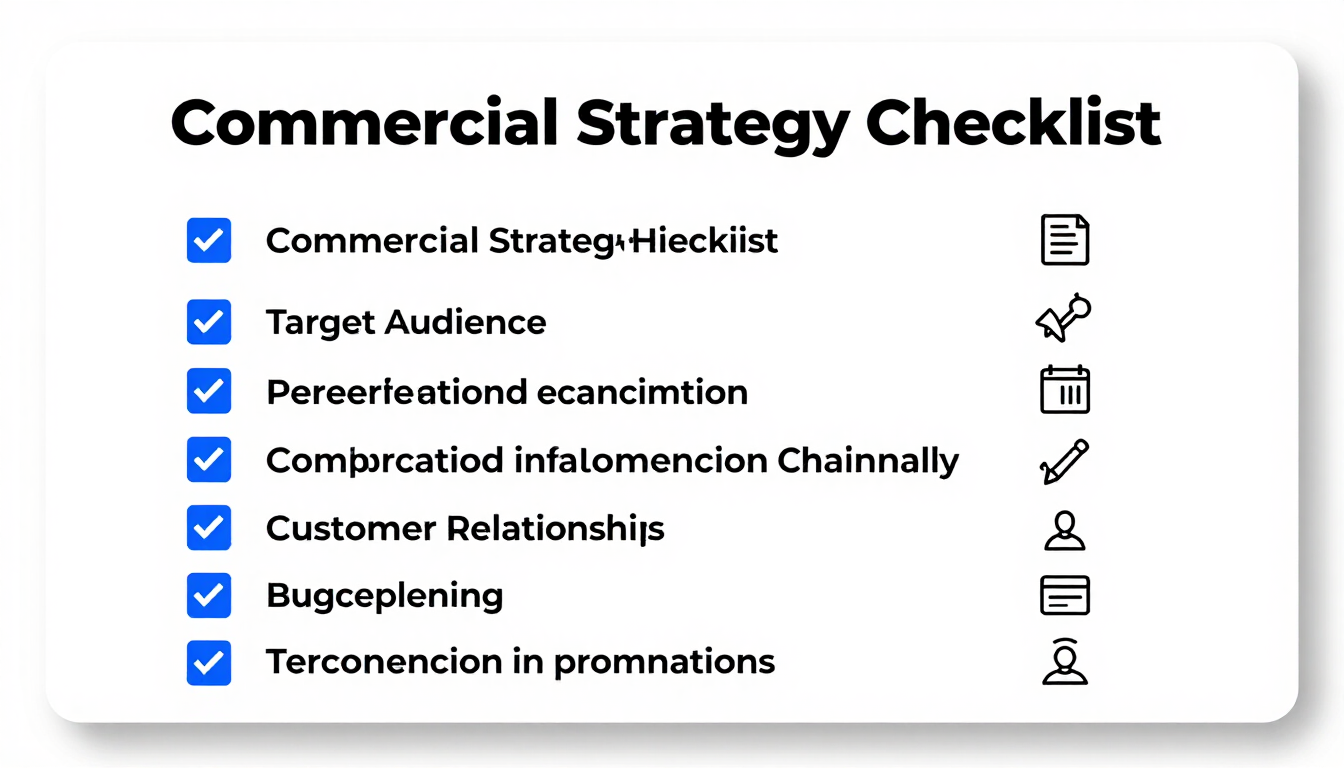



Migrating your CRM to automation with AI without losing data or leads requires following a clear order: back up your current information, clean up your contact database, define your workflows before activating them, and test with a small group before migrating everything. Skipping any of these steps is the most common cause of lost leads during a migration.
Step 1: Back up all current information
Before moving any data, export and save a complete copy of contacts, conversation history, and sales team notes. This backup is your safety net if something goes wrong during the migration.
Step 2: Clean up your contact database
Remove duplicates
Duplicate contacts generate repeated messages and a poor experience for the customer. Before migrating, it is worth identifying and merging duplicates.
Update incomplete data
Contacts without an email, phone number, or assigned stage tend to fall outside automation workflows. Completing this information before migrating prevents those leads from silently getting lost.
Step 3: Define your automation workflows before activating them
Map out first, on paper (or in a document), what message each type of contact receives and at what point, before configuring it inside the CRM. This prevents activating incomplete workflows or out-of-order messages.
Step 4: Test with a small group before migrating everything
Activating the new workflows with a small portion of contacts lets you catch configuration errors before they affect your entire customer and lead base.
Step 5: Monitor the first few weeks
During the first month, it is worth closely reviewing open rates, response rates, and lead progress within the new system, to adjust any workflow that is not performing as expected.
Frequently Asked Questions
How long does a CRM migration take without losing data?
It depends on the size of the contact database, but following this order of steps usually takes between one and three weeks for most companies.
Can you migrate without stopping sales operations?
Yes. By following the small-group testing step, the sales team can keep working normally while the new system is validated.
What happens if an error is found after migrating?
That is why the backup in step 1 is key: it allows you to correct or restore specific information without losing the work already done.
Next step
Learn about the CRM Marketing Automation with AI service from WSI Plokus. Also check the common myths about CRM Marketing Automation with AI. To plan your migration with expert help, schedule a video call with Juan Carlos Elias.