


Traditional SEO aims to rank your page in Google's search results; AEO (Answer Engine Optimization) aims to get AI engines like ChatGPT, Perplexity, or Google AI Overviews to cite or recommend your content directly as the answer. They're complementary, not mutually exclusive.
Where they're alike
Both depend on quality content, clear structure, and site authority — a site with good technical SEO already has much of the groundwork laid for AEO.
Where they're different
The end goal
Traditional SEO measures success in ranking position and clicks; AEO measures success in whether AI cites your brand when someone asks it something related to your service.
Content format
AEO favors direct, explicit answers (price, process, location) from the first lines; traditional SEO sometimes tolerates longer introductions before getting to the point.
The technical signals each prioritizes
AEO depends much more heavily on structured schema markup (FAQPage, Organization, Service) so AI can understand the content without ambiguity.
Why you need both
Google remains the dominant traffic channel today, but more and more people are making their first search directly on an AI engine — ignoring AEO means being left out of that growing conversation.
Frequently asked questions
If I already have good SEO, do I automatically have good AEO?
It helps a lot, but it's not automatic — AEO requires specific structure and schema adjustments that traditional SEO doesn't always cover.
Will AEO replace SEO at some point?
Not in the short term — both will coexist as long as traditional search remains relevant to users.
How do I start if I haven't done any AEO yet?
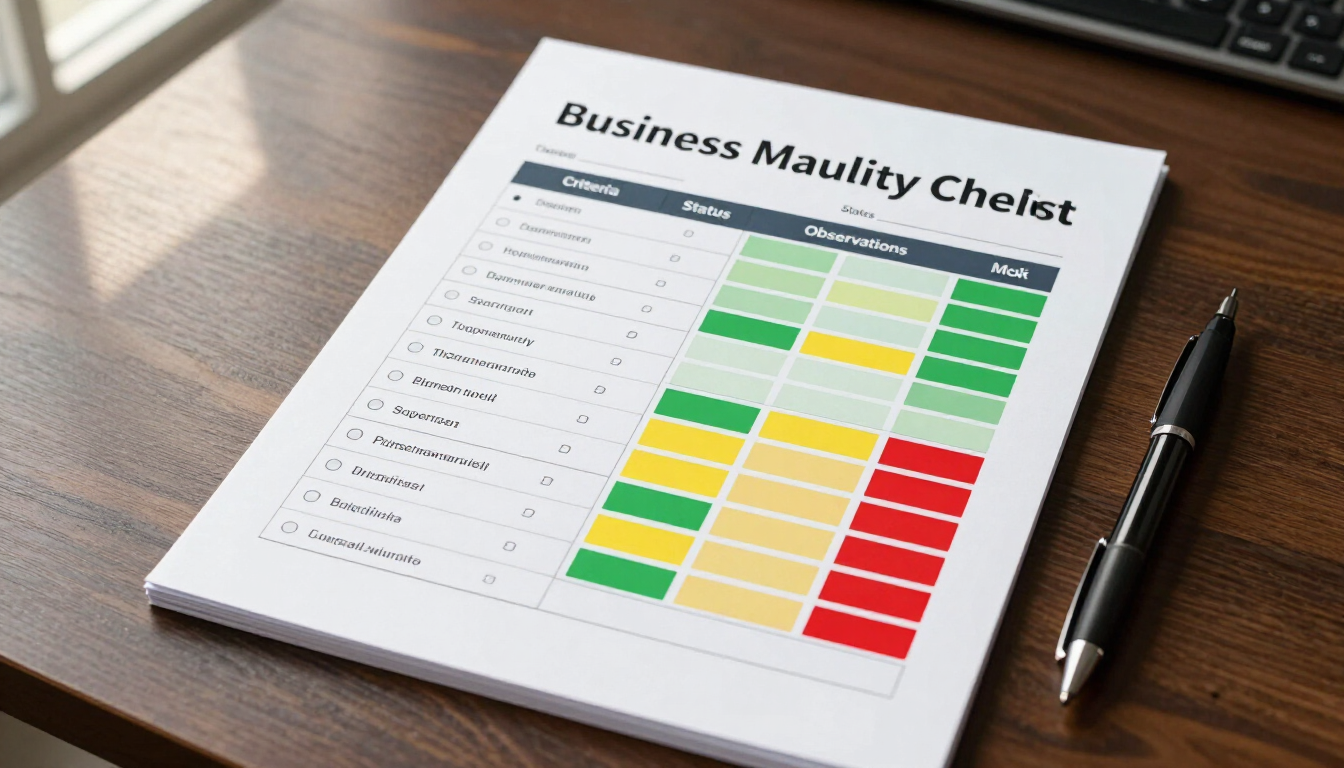
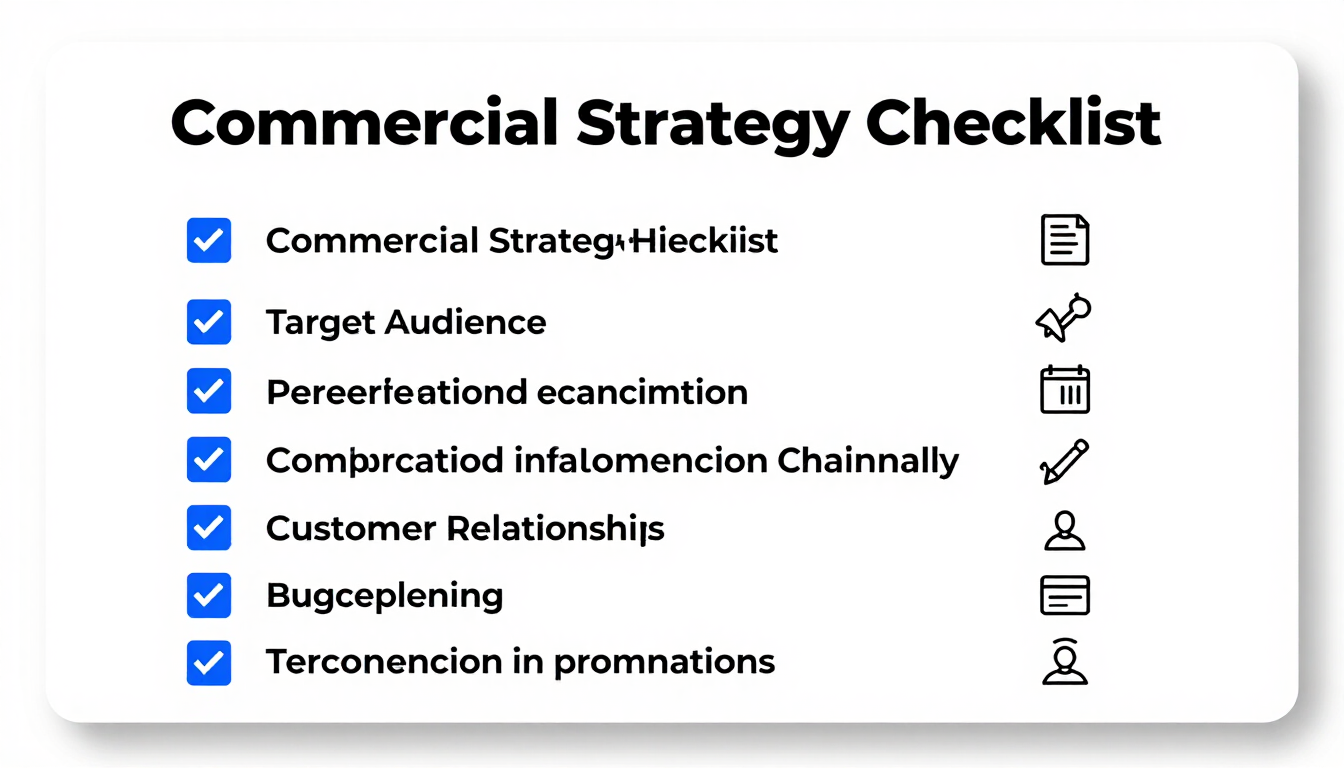
With an audit of your current content against the 4 AEO signals: content, schema, authority, and technical.
The next step
At WSI Plokus we integrate SEO and AEO as a single strategy, not separate channels. Check how to get ChatGPT to recommend your company or how to know if your site already appears in AI.